tour overview

Day to day itinerary details

Day 1

Arrival and Birding Botanical Garden

If time permits after your arrival, enjoy bird watching at Entebbe Botanical Gardens for an introduction to Ugandan birds. This place offers patch spots for Great-Blue Turaco, common bulbul, yellow-fronted tinkerbird, the African yellow-white-eyed, African Thrush, sunbirds like Red-chested, olive-bellied, Purple-banded, Collared, and the scarlet-chested sunbirds. We should also expect gray parrot, Crowned and Black-and-white-casqued Hornbills, woodland kingfisher, African Harrier-Hawk, Black-headed Gonolek, White-browed Robin-chat, Double-toothed Barbet, Ross’s Turaco, Speckled Mousebird, Yellow-fronted Canary, Hood Vulture. Return to the hotel for dinner and overnight stay. Usually, the garden entertains Vervet monkeys and the good-looking Mantled Guereza

  • Birding

Day 2

Bird to Lake Mburo National Park Via Mabamba Wetland

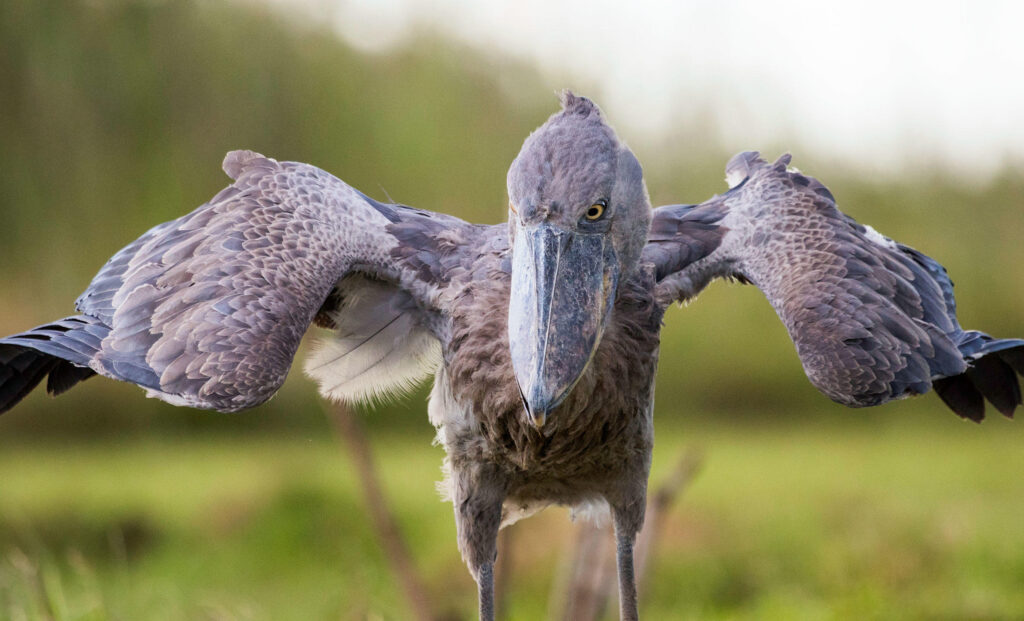
After the early morning breakfast and an hour and a half drive to Mabamba. The Mabamba wetland is one of the top two places in the world to find the shoebill, which is an uptick bird for many birders on earth and Africa’s number one and highly sought-after; the other spot is Murchison Falls National Park. Mabamba offers an 80% chance of seeing this alien-looking-bird. While looking for a shoebill, expect a collection of typically water and nearby habitat birds like Papyrus Gonolek, African Marsh Harrier, common waxbill, Madagascar and Blue-breasted Bee-eater, Malachite kingfisher, African white-backed Duck, Lesser Jacana and several others. After the search for the shoebill, drive to the Equator crossing for photos. Continue with the drive to the park. However, look out for the stunning Gray-backed Fiscal, Long-crested and Wahlberg’s Eagle, Bare-faced Go-away-bird, Eurasian and Gray Kestrel On the dirt road, as we approach the park and the accommodation, look out for the Singing and Red-faced cisticolas; occasionally this stretch can be perfect for Crested and Red-necked francolins, Verreaux’s Eagle Owl, Emerald-spotted Wood-dove, and Brown snake-Eagle. A few mammals are Impala, Zebra, and Dwarf Mongoose.

  • Birding

Day 3

Birding Watching in Lake Mburo National Park

On this day, explore the woodlands and thickets of Uganda’s smallest wildlife park. This park is great for woodland species, especially those that you would describe as being at their furthest northern range. We’ll look out for Red-Faced Barbet, which is an East African endemic; Crested and Spot-flanked Barbets; Brown-chested, Crowned, Wattled and Senegal Lapwings; Southern Black Flycatcher; Slate-coloured Boubou; some eagles like Bateleur and Wahlberg’s Honeyguide; Black Cuckoo-shrike; Sulphur-breasted Bush-shrike; White-winged Black-Tit; African Paradise Flycatcher; Common Scimitarbill; and many others Return to the lodge for lunch. After lunch, we do another drive with the hope of finding Gray Tit-flycatcher, White-backed Vulture, African Pipit, and the African Scops-Owl in the dark.

  • Birding

Day 4

Drive to Kisoro for Mgahinga Birding

After breakfast, we’ll do a boat ride on Lake Mburo to find a few more great birds such as the African Fish Eagle and African Finfoot. We’ll also expect to get sights of the Hippopotamus schools. We scan the shoreline and the hanging riverine thickets for Black Crake, White-backed Night-heron, and Water Thick-knee. Our Weaver list should continue to grow with possible sightings of Lesser- masked, Slender- billed, and Holub's. After the boat cruise, drive as you depart and enjoy scenic views of the hills and landscape along this route. This route rewards you with a chance of sighting the Augur Buzzards. With luck, we can also sight the Banded and Black-breasted Snake-eagles. We’ll stop at Papyrus swamps for Papyrus Canary, Papyrus Gonolek, Papyrus Yellow Warbler, White-winged and Greater Swamp Warblers before we approach the popular Albertine rift ranges. Arrive and settle in at your lodge for the night.

  • Birding
  • Boat Cruise

Day 5

Bird watching Mgahinga in Uganda

After breakfast, we’ll bird through a variety of montane habitats in search of the Rwenzori Turaco, Dwarf Honeyguide, Kivu Ground Thrush, Stuhlmann’s Regal and the purple-breasted sunbirds, Archer's Robin Chat, Cinnamon Bracken and Montane Yellow, the Dusky and much-sought-after Shelley’s Crimson-wing among many others. Return to the lodge for dinner and overnight.

  • Birding

Day 6

Transfer to Ruhija in Bwindi Impenetrable Forest

On this day, we’ll travel to Ruhija, which is a sector in the Impenetrable Forests of Bwindi. The tour continues for more sightings of Albertine Rift specials that may include the darling Grauer’s Broadbill, Handsome Francolin, Strange Weaver, Shelley’s and Dusky Crimson-wings, Stripe-breasted Tit, Rwenzori Batis, White-browed Crombec, White-naped Raven, Purple-breasted Sunbird, Sharp’s Starling, Mountain masked and Rwenzori Apalises, and Many more. Arrive and settle in at your lodge in time for dinner.

  • Birding

Day 7

Gorilla Trekking & Birding

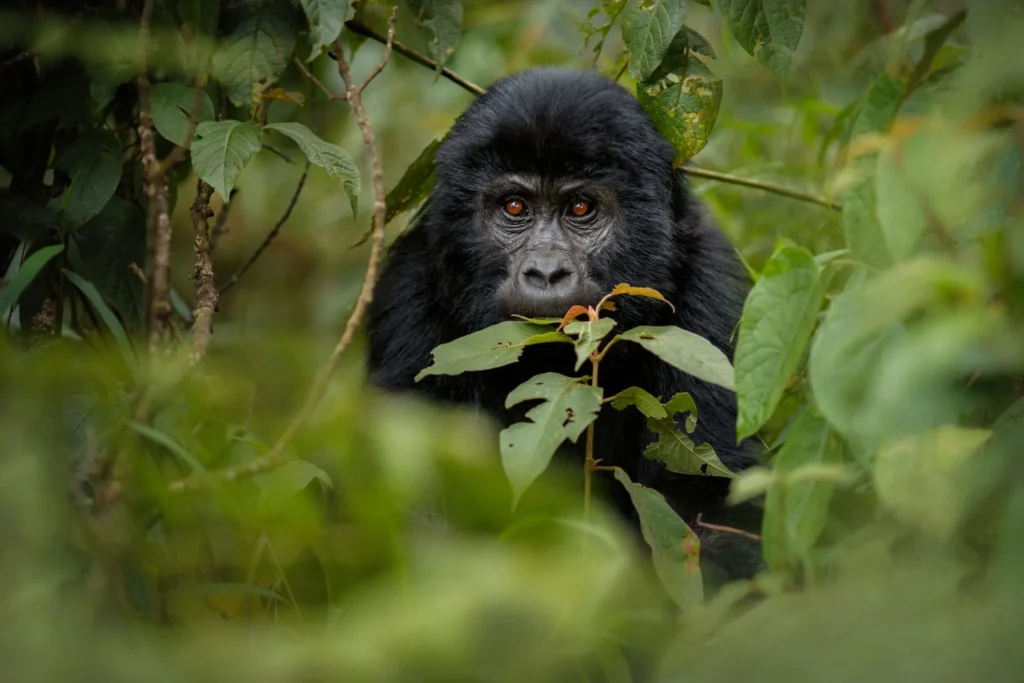
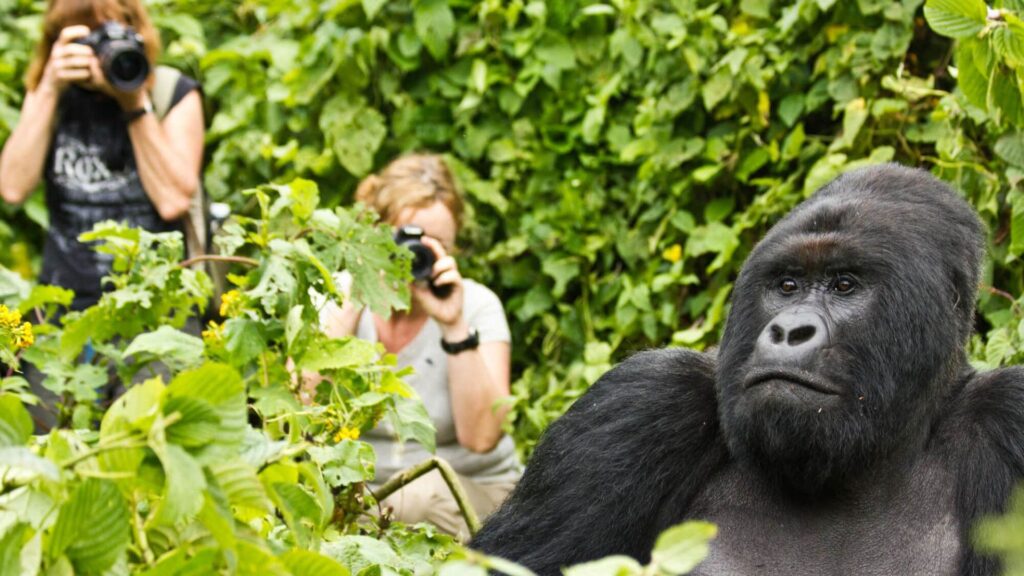
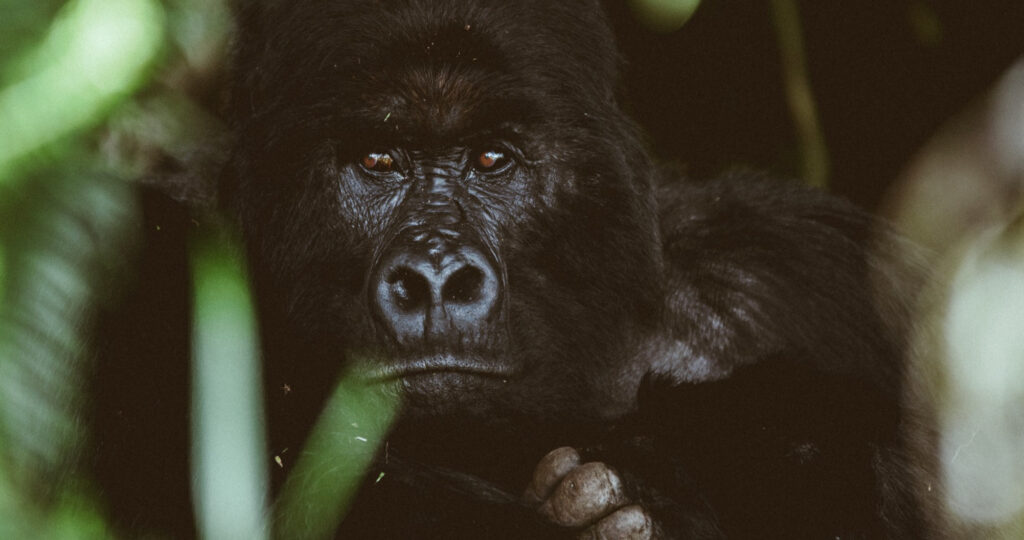
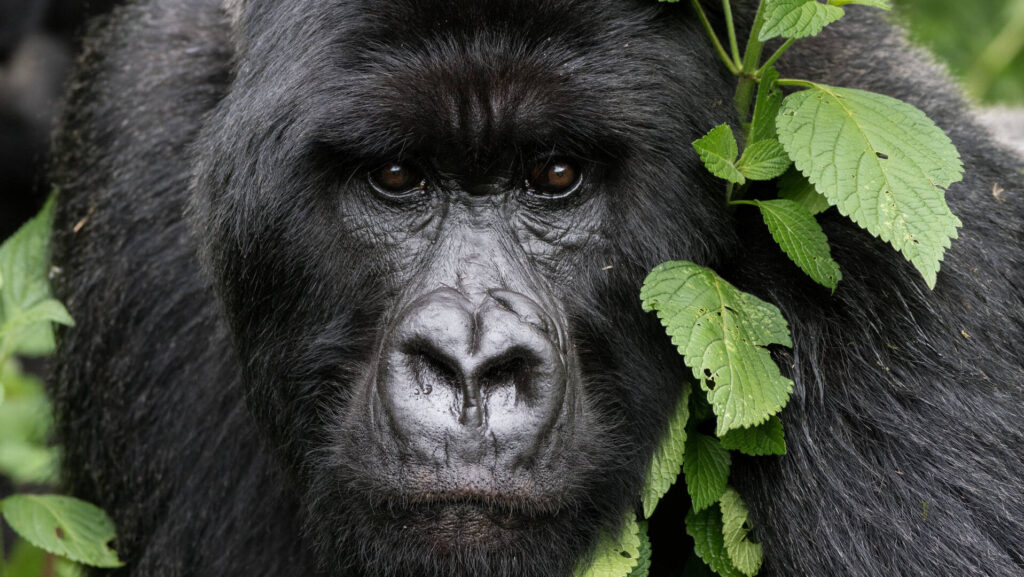
On this 20-Day Bird Watching Safari in Uganda, we’ll trek in Bwindi Impenetrable Forest, home to the biggest number of mountain gorillas among all national parks. After briefing at 08:00 am, we’ll head into the depths of the jungle for what is a most unique wilderness experience. The rangers will walk you down the narrow forest paths through thick undergrowth. Once found, the rangers will brief us on the dos and don’ts before making any contact with the mountain gorillas. We’ll spend up to 1 hour watching the gorillas in their natural habitat. We’ll get in proximity with the gorillas as you quietly observe the gorillas play, eat, forage, groom, sleep, and, if we are lucky, we’ll get to watch the gorillas mate. This once-in-a-lifetime experience will give us unique insights into the life and social dynamics of the gorilla families. Gorilla watching also gives us a chance to observe the uncanny similarities between gorillas and human beings, and gorillas with whom we share 98% DNA. If we are lucky, we will experience the playfully exuberant energy of the juveniles who often skip from branch to branch and play with heightened enthusiasm when in the presence of humans. After seeing the mountain gorillas, we’ll break for a picnic lunch in the forest before embarking on the hike back to the gorilla lodge. If time permits, and when done with gorilla trekking, we’ll do a leisure walk to the community secondary forest. Look out for Barred and Olive long-tailed Cuckoos, Grauer’s Warbler, Black-tailed Oriole, the very skittish Luhder’s Bush-shrike while they make their way through the vines, gray cuckoo-shrikes, Albertine sooty Boubou, Rwenzori and Black-faced Apalises. We also hope to get better looks at the mountain yellow Warbler, Banded Prinia individuals as they skulk in the undergrowth, White-browed Crombec, Brown-capped and endemic strange weaver, Northern puff-back, Mountain Illadopsis, Red-throated Alethe, Doherty’s and Lagden’s Bush-shrikes and many more to enrich our list of endemics.

  • Birding
  • Gorilla Trekking

Day 8

Birding in Mubwindi Swamp

After the early morning breakfast, we start our hike to the famous Mubwindi swamp in pursuit of some of the toughest endemics of this area. This section of Bwindi Impenetrable National Park is well known for being Africa’s number one birding spot according to the African Birding Club. As we walk down the slopes of this mountainous terrain and habitat, we hope to see white-tailed Blue-Flycatcher, Black-tailed Oriole, Black-throated Apalis, Dusky Tit, Wilcock’s, Least and Dwarf Honeyguide, mountain Buzzard, yellow-streaked Greenbul, Narina Trogon. Continue to the marsh where we hope to find the uptick birds like Grauer’s Broadbill and Grauer’s Rush Warbler, but we will look out for the Brown-Capped Weaver, Black-billed Turaco, Olive, Elliot’s, Cardinal, and Tulberg’s Woodpeckers, Northern Black Flycatcher, Blue-headed, Tiny and Purple-breasted sunbirds, Dusky crimson-wing, Mountain Greenbul, Western Citril. Keeping our eyes in the trees, we will also see through the undergrowth for even mythical birds like Grey-chested Illadopsis, Oriole finch, the restless White-bellied Crested Flycatcher, Carruther’s Cisticola, Equatorial Akalat, African Hill Babbler, Chestnut-throated Apalis, African Yellow-white-eye, White-eye Slaty-flycatcher, Stuhlmann, Waller’s, slender-billed and Narrow-tailed starlings. The Black-fronted Duiker, which is a small forest-dwelling antelope, frequently shows up during this walk.

  • Birding

Day 9

Birding Buhoma of Bwindi Impenetrable National Park

On this day, we transfer to Buhoma, another section of Bwindi Impenetrable National Park. Continue to the famous “neck,” Where we hope to find the delicate-looking Mountain Wagtail and Cassin’s Flycatcher as they guard the rocks in the stream. This stretch is at 1500m asl and is an overlapping area for low and high elevation wildlife. It is here that you start seeing the real beauty of Greenbuls: Plain, Little, Gray, Toro Olive, Red-tailed, Ansorge’s, Shelley’s and Honeyguide Greenbul. A couple of sunbirds like Little Green, Green, Olive and Blue-throated Brown, Collared and Northern Double-Collared wonder about here. Other birds include Speckled Tinkerbird, White-tailed Ant-thrush, Black-faced Rufous Warbler, Grey-green and Many-colored Bush-shrikes, Dusky Blue Flycatcher, Scaly-breasted Illadopsis, Splendid and Purple Starlings, Bar-tailed Trogon, Buff-throated Apalis, African Black Duck and Little Grebe.

Day 10

Birding Buhoma Main Trail

This morning, we proceed to bird in the Buhoma main trail. This forest merges birds of the low and highland elevations. A good day yields a significant number of Guinea-Congo Forest and Albertine Rift Montane range specialties. We will do the first minutes of birding in the secondary forest to be rewarded with undergrowth-dwelling Grey-winged, Red-capped, Blue-shouldered and Snowy-crowned Robin-chat, Grey, Black-throated and Buff-throated Apalis, Grey-headed and white-breasted Nigrita, White-bellied Robin-chat, Red-headed Malimbe, Dusky Tit, Red-chested, Klass’s and African Emerald cuckoos, Chubb’s Cisticola. Also, when we go to the primary forest when the light is at its best, we should find African Broadbill, African shrike-flycatcher, Red-tailed Bristlebill, flocks of Red-tailed Greenbul, Neumann’s Warbler and the nearly impossible Kivu Ground-thrush. The mixed flocks should be great for Golden-crowned Woodpecker, Jameson’s Antpecker, Cassin’s Honeyguide, Petit’s cuckoo-shrike, Black-Bee-eater and recently split Willard’s Sooty Boubou. And many more birds.

  • Birding

Day 11

Birding through the Ishasha Sector in Queen Elizabeth National Park

After breakfast, we’ll bird through Ishasha, which is the southern section of Queen Elizabeth National Park. On sunny days, the sky here is excellent for observing some raptors like Gabar Goshawk, White-headed and Lappet-faced Vulture, Rufous-breasted Sparrowhawk and Banded Snake-Eagle. This stretch usually offers impressive views of Wing-snapping, Croaking and stout cisticolas, Flocks of White-winged Widowbird, White-headed Barbet, Pin-tailed Whydah, Moustached Grass-Warbler, Broad-tailed Grassbird, Greater-painted Snipe, Malagasy Pond-Heron, Red-shouldered Cuckoo-shrike, Scaly and Red-necked Francolins. Enjoy a game drive that offers a chance of seeing big game such as the tree-climbing lions, elephants, leopards, Buffalos among others.

  • Big Game Drives
  • Tree-Climbing Lions

Day 12

Birding in Queen Elizabeth National Park

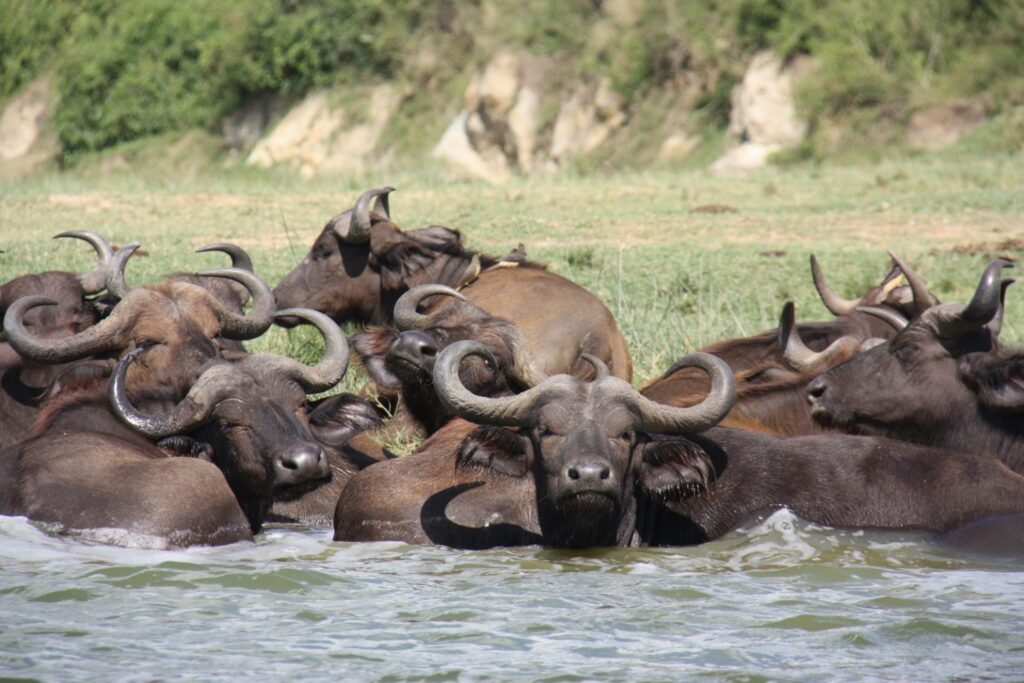
Awaken to a hearty breakfast, and thereafter, head to the pristine savannah grassland areas of this park. As you enjoy sightings of these mammals, you will also have a chance of seeing birds like Verreaux’s Eagle-Owl, Rufous-naped, White-tailed, Red-capped and Flappet Lark, African and Jackson’s Pipit. More to our bird-watching wish list is the Temminck’s Courser, Senegal, Black-crowned, and wattled lapwing, Yellow-throated Longclaw, White-backed Vultures, Ruppell’s Griffon and others soaring the sky, Black-chinned and Black-faced Quail finches, and observing kob lekking ground activity. After lunch, we shall do an afternoon boat ride on the Kazinga Channel. The boat ride typically targets congregations of birds and big mammals when they come down to cool off during the heat of the day. Look out for fishing African spoonbill, a few African skimmers, Gull- billed and white-winged terns, a few shore birds depending on the season, and these should include Curlew Sandpipers, Common, Marsh and Wood Sandpiper, Common Greenshank, Ruff, Little Stint, Ruddy Turnstone, Black-tailed Godwit, Three-banded Plovers and Common snipe. Other good birds to expect to see include Four-gilled, Lesser- black-backed, Heuglin’s, Slender-billed and Grey-Hooded Gull, both Great-White and Pink-backed pelicans, Great and Long-tailed Cormorants, yellow-billed, Marabou and Woolly-necked storks, our first of the many Red-throated bee-eaters, and many more. If we choose to go out for a short evening drive, we will have chances for Square-tailed and Black-shouldered Nightjars.

  • Birding
  • Boat Cruise

Day 13

Transfer to Kibale National Park for Bigodi Wetland Birding

After breakfast, enjoy your drive to Kibale Forest. We’ll keep an eye out in the bushes looking for Black-headed Batis and Black-crowned Tchagra. Arrive in time for lunch and thereafter leave for Bigodi Sanctuary wetland. Walk through the papyrus looking for White-spotted flufftail, Hairy-breasted, Yellow-spotted and Yellow-billed barbet, Black and white shrike flycatcher, Joyful greenbul, Blue-throated Roller, white-collared Olive-back, superb sunbird and a shining-blue kingfisher. The walk is also famous for primates. We should see Uganda Red-colobus, which are threatened in this region because they are preyed on by Common Chimpanzee. The Uganda Mangabey, Olive Baboon, Mantled Guereza, L’Hoest’s and Blue monkeys are also very likely to show up.

  • Birding

Day 14

Chimpanzee tracking and Birding

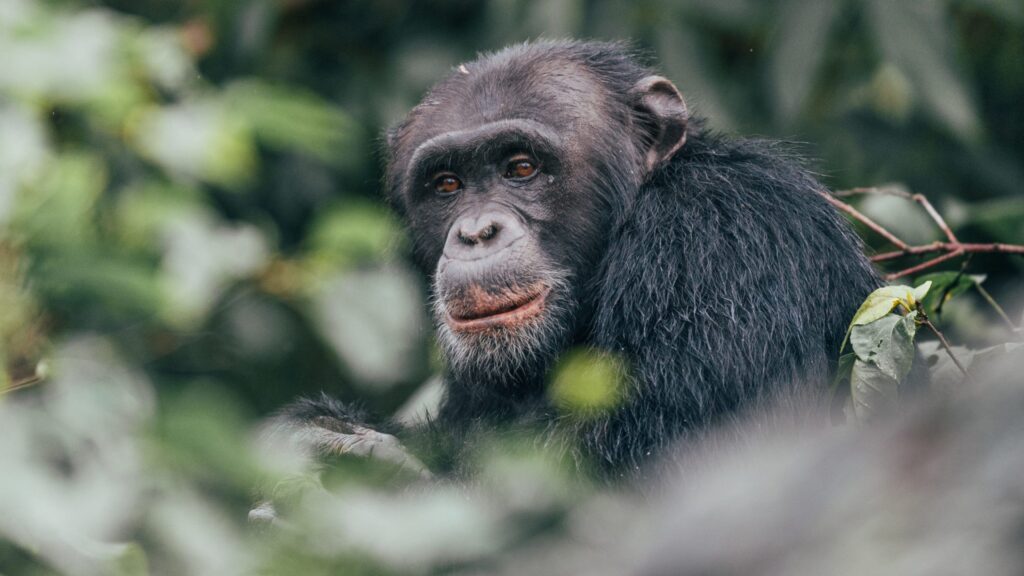
After breakfast, opt to trek in search of chimpanzees, as this part of the country offers you a 90% chance of seeing these incredible primates. As we walk down the forest paths in search of the chimps, also look out for the Green-breasted Pitta. This pitta is one of the most difficult birds to find! The time we should spend in the forest looking for the Pitta, we will also look for the White-throated greenbul, Crowned Eagle, Thick-billed Honeyguide, Brown-chested and Fire-crested Alethe, Crested-Guineafowl, Western Black-headed Oriole, Blue-breasted Kingfisher, Blue-throated Roller, Yellow-browed camaroptera, Blue Malkoha, Brown-eared woodpecker, Western Nicator, Dusky-long-tailed cuckoo, Bronze-naped pigeon, Yellow-mantled weaver, Lesser Honeyguide, Red-chested owlet and African wood-owl among others.

  • Birding
  • Chimpanzee Trekking

Day 15

Transfer to Fort portal

After a leisurely breakfast, we’ll slowly transfer to Fort Portal City. Along the road, through the forest, is a good spot to see Masked-Apalis, Sooty Flycatcher, White-napped and Afep Pigeon, Back-crowned waxbill.

  • City Tours

Day 16

Transfer to Semuliki Forest

On this day, transfer to Semuliki Forest to collect some of the Guinea-Congo forest biome specialties that have this forest as the most eastern extension. Being the only connection to the Ituri Forest from DR Congo makes it the spot where over 35 restricted-range specialties exist in East Africa. When the birds are breeding, it is effortless to spot Black-and-southern Red Bishops, Piapiac, which is a social crow, Rattling and whistling cisticolas, and Mosque swallow before entering the forest. Once in the forest, look out for Piping, white-crested, Black-dwarf Hornbill, the canopy-dwelling Red-billed dwarf and the gigantic Black-casqued Hornbills. Other good birds like Yellow-lored Bristlebill, Yellow-throated Nicator, Black-headed and African Paradise flycatchers, Forest Robin, African Piculet, African Dwarf kingfisher and Hartlaub Duck, Xavier’s Greenbul, Red-tailed ant-thrush, Crested Malimbe, Dusky-crested flycatcher, Orange-cheeked waxbill, Black-bellied Seed cracker, Grant’s and Red-headed bluebills, Brown-Illadopsis among others we will be looking for.

  • Birding

Day 17

Transfer to Masindi

After an early breakfast, embark on a 6-7 hour drive to Masindi. Arrive in time for dinner and overnight.

Day 18

Birding Royal Mile of Budongo forest

Set off early for birding Uganda’s most birdy spots, which are in the country’s most significant forest reserve. This part of the forest rewards you with sights of the African and Black-bellied firefinches, Grey-headed Oliveback, Compact weaver, Wahlberg’s Eagle, and White-thighed Hornbill, making them our last species of hornbill. More to the above are the African Dwarf, Chocolate-backed in the forest canopy, Shining-blue kingfishers, Chestnut-capped flycatcher, Rufous-Crowned Eremomela, Ituri Batis, Forest flycatcher, Cassin’s Honeyguide, Nahan’s Francolin, Jameson’s Wattle-eye, Pale-breasted Illadopsis, Spotted greenbul, Fire-crested Alethe, Lemon-bellied Crombec.

  • Birding

Day 19

Morning delta cruise + Game drive

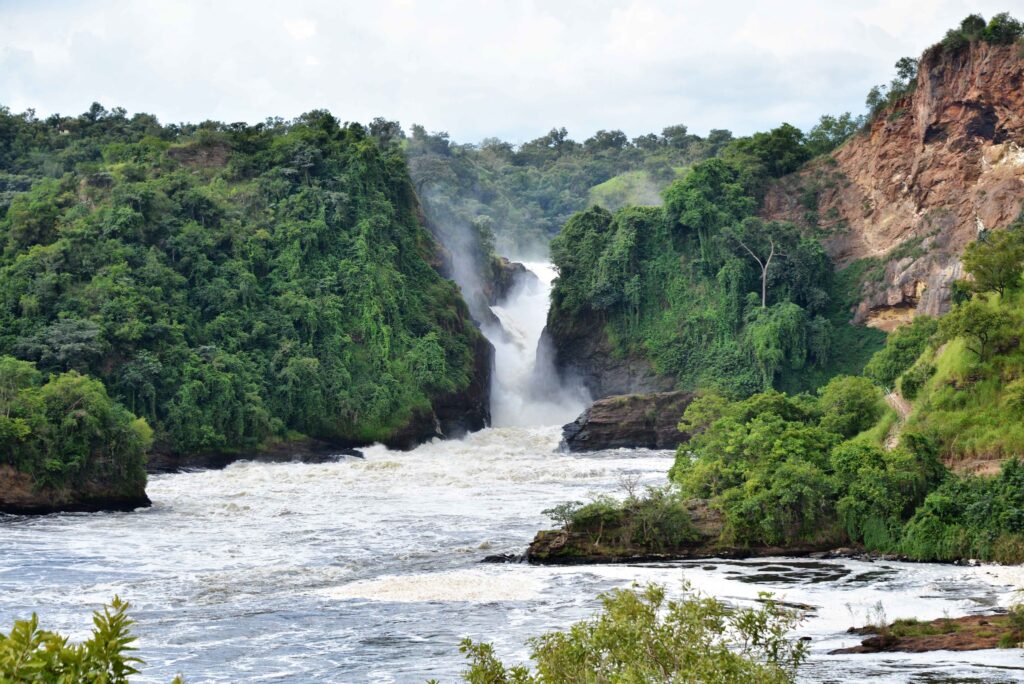
After an early breakfast, enjoy an exclusive morning boat cruise to the delta. Look out for goliath heron, shoebill, African fish eagle, open-billed stork, among others. Afterwards, start a mid-morning game drive in search of leopards, lions, buffalo and giraffes. This drive will reward you with barbets, widow birds, tinker birds, bishops and many raptors. Break for lunch and thereafter start an en route birding via the top of the Falls, the world’s most powerful falls. Enjoy spectacular views from different angles.

Day 20

Kaniyo Pabidi & Transfer to Entebbe

After breakfast, embark on birding in the forest. Look out for Puvell’s illadopsis, Nahan’s francolin, Black-billed turaco, crested guinea fowl, and white-tailed and red-tailed ant-thrush. Start your journey to Entebbe, but with stops along the way as you en route bird. Arrive and check into your hotel and have dinner thereafter.

Day 21

Departure

Depending on the flight time, you can spend the day having a leisurely walk around the city of Entebbe as you look out for the birds here. Your guide will then transfer you to the airport for your departure flight.